

Who doesn’t want more energy? Energy drinks are growing in popularity among people of all ages, but especially young people. Some newer brands of energy drinks have ingredients in amounts that may surprise you, can adversely affect your oral health, and cause unwanted side effects.
Before popping open your next can, here is what you should know:

1) Many energy drinks contain high amounts of sugar, which can harm your oral health. Sugar feeds the bacteria in your mouth that cause cavities. These bacteria produce acid that weakens and damages tooth enamel. Sugar also gives you a quick burst of energy, especially when it’s combined with large amounts of caffeine; the effect can feel even stronger. However, too much sugar and caffeine often lead to a crash—leaving you feeling tired and reaching for another boost, starting the cycle all over again.
Some newer energy drinks do use artificial sweeteners to lower the calorie and sugar content. While consuming less sugar is a plus, artificial sweeteners may increase cravings for sweet foods and drinks so you end up taking in even more from other sources.
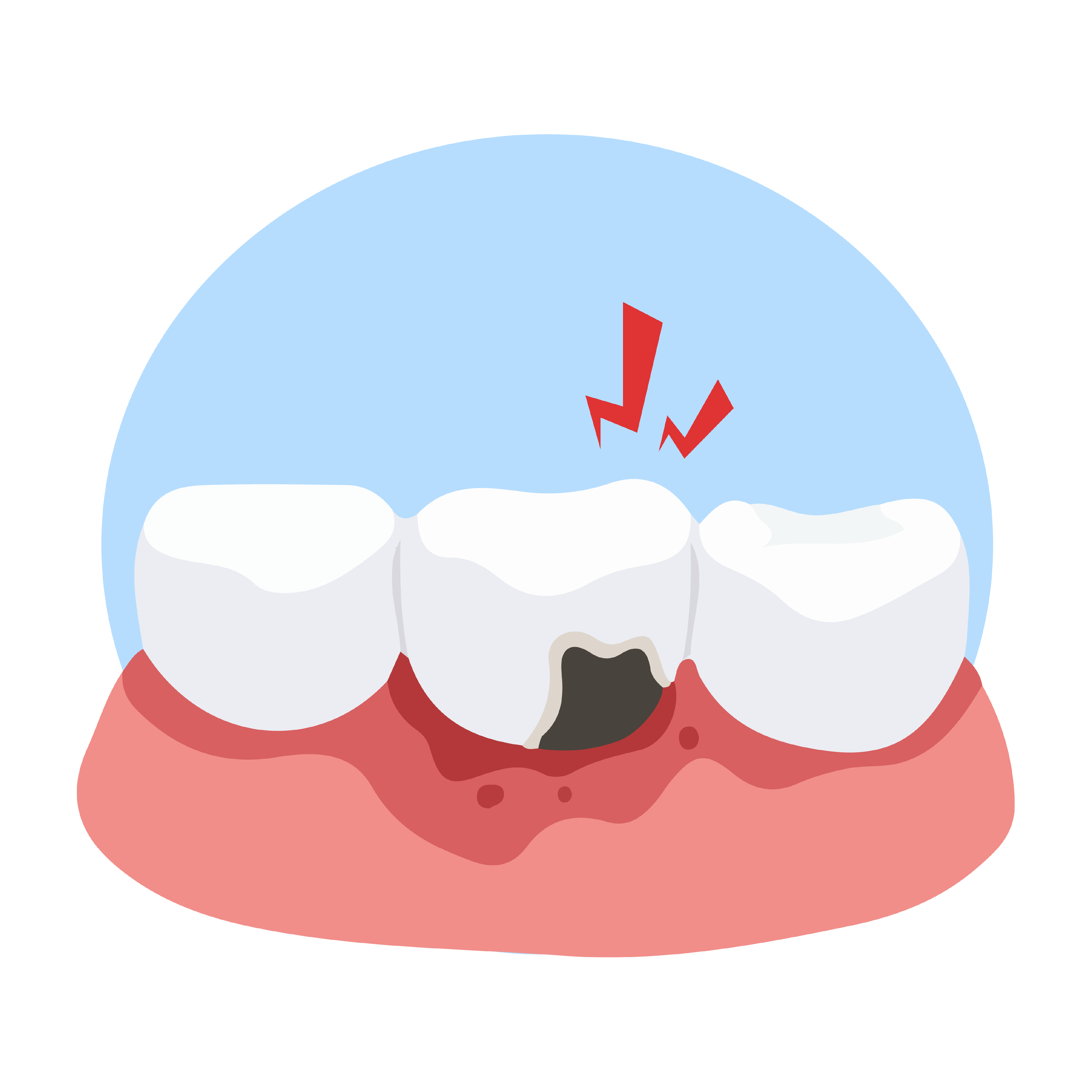
2) Energy drinks are acidic. The pH of most energy drinks is below 4, putting them on par with soda. Acid in these drinks can weaken tooth enamel, increasing the risk of cavities.

3) Caffeine is typically the source of the “energy” in these drinks. Some popular products can contain large amounts, upwards of 300mg in a single can/bottle. That’s the equivalent of 3 cups of coffee, but all consumed at once. This jolt of excess caffeine can lead to known side effects. Experts recommend no more than 400 mg caffeine for most adults. Medical authorities, such as the Centers for Disease Control and Prevention, advise that children and adolescents should not consume energy drinks because of high amounts of caffeine and sugar.
Symptoms of excess caffeine:
- Increased blood pressure
- Increased heart rate
- Jitteriness
- Difficulty sleeping
- Anxiety
- Upset stomach
- Nausea
- Headache
Water remains the best beverage choice for your oral health. It is worth noting that fatigue can also be related to dehydration, so before you reach for an energy drink, try rehydrating with water. It is also more budget-friendly and will help you avoid the caffeine --> crash cycle.
Resources:
This information in this post is for general educational purposes only and does not warrant or represent any information as related to health as specifically appropriate for you. It is not intended to be medical advice or replace the relationship that you have with your health care providers. You should always seek medical advice on any diagnosis or treatment from a qualified health care provider. The information is provided “as is” without any representations or warranties, express or implied.


